What brochures can't explain, animation can
- Author: Cara Lackey
-
January 20, 2026
-
793 words
-
4 minutes
- Explainer Video
- Corporate Overview
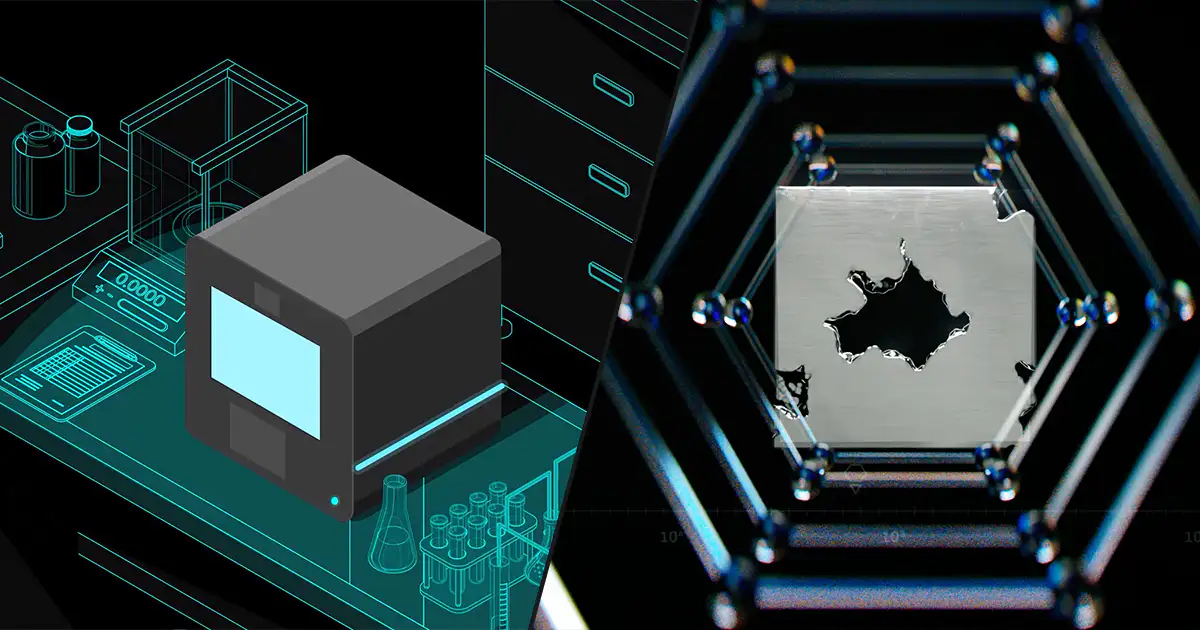
Some products you can photograph. Others you have to imagine into existence.
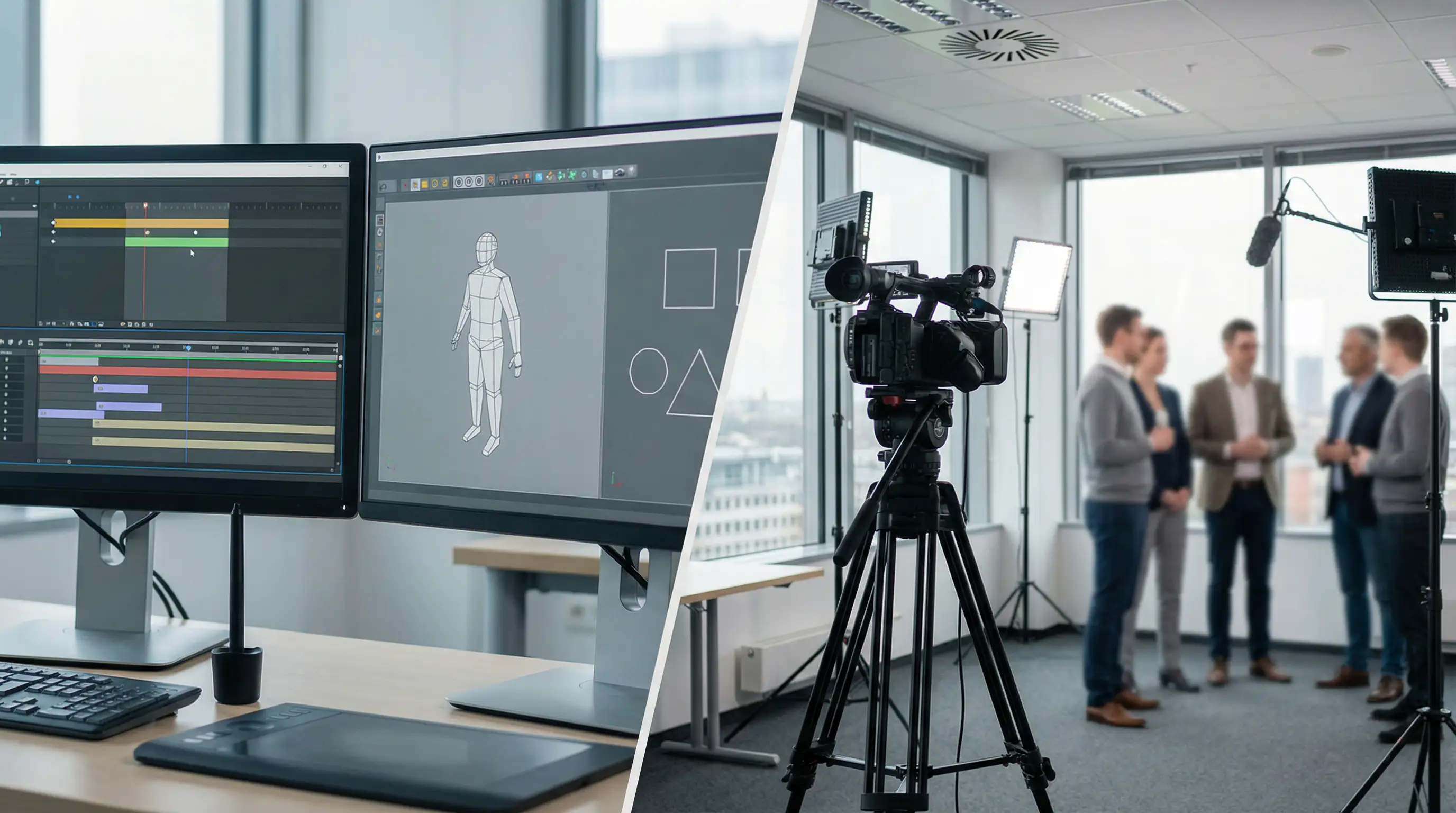
Consider the differences. For example, for photography: A car can gleam under studio lights or a watch can catch reflections. Even complex machinery can be positioned and lit until it looks as impressive as it performs. But insurance, consulting, enterprise software? These industries sell futures. Outcomes that won’t materialize for months or years. Promises that only prove themselves when circumstances demand it.
So how do you make the invisible feel real before the sale?
The abstraction problem
Every industry selling intangible value faces the same constraint. You’re asking buyers to trust that future benefits justify present costs. That gap between payment and payoff creates uncertainty and uncertainty kills deals.
Theodore Levitt nailed this challenge in Harvard Business Review: “The customer can easily be unsold as a consequence of the underfulfillment of his expectations.” When you’re selling promises instead of products, the margin for error shrinks dramatically.
Traditional marketing tries to solve this with credentials. Years in business. Client logos. Industry awards. Testimonials. These establish credibility, but they don’t create experience. A prospect can believe you’re trustworthy without ever feeling what your solution actually does.
This is where corporate video animation earns its value. Not by replacing facts with feelings, but by giving abstract facts concrete form.
Making the invisible visible
I’ve spent years creating motion graphics for financial services, insurance companies, and complex B2B offerings. Certain principles keep proving themselves. These are some.
Anchor abstractions to physical metaphors
Human brains evolved to understand tangible objects. Weight. Texture. Spatial relationships. When you present abstract concepts as physical metaphors, you borrow cognitive processing power that’s been developing for millions of years.
A company’s 119-year history becomes a stone monument weathered by time. Financial strength becomes a building with visible foundations. Asset protection becomes gold transforming into a shield. Each metaphor converts something unmeasurable into something the mind can hold.
Static metaphors only go so far, though.
Make data move
Static numbers sit flat on the page. The same numbers counting up create anticipation and arrival. Movement adds narrative structure to information that otherwise feels inert.
Watching “$5,000,000,000” build digit by digit creates a different response than reading the number complete. The viewer experiences accumulation. Scale becomes something that happened rather than something that exists.
When 3D animation shows hundreds of figures converging into a single logo, “trusted by thousands” stops being a claim and becomes an event. And events gain power when viewers see themselves as participants.
Show the network, not just the promise
Invisible products often represent collective behavior. Insurance pools risk across policyholders. Platforms aggregate users. Services coordinate teams. The individual buyer rarely sees this collective dimension.
Animation can reveal it. Visualizing the network behind the product transforms a transaction into participation. You’re not just purchasing protection. You’re joining something larger than yourself.
Of course, none of this works if the details don’t hold up to scrutiny.
Accuracy enables emotion
Here’s where I part ways with generic corporate video. Metaphors and movement create emotional resonance. Without technical accuracy, though, that resonance rings hollow.
When my Houston studio created an insurance explainer video for ANICO, every visual choice connected to verifiable facts. The A-rating visualization reflected actual AM Best criteria. The partnership animation accurately represented Brookfield’s role.
The feeling makes people care. The facts give them permission to act. This is especially true for explainer videos targeting analytical buyers who want to feel confident and be right.
But even the most accurate animation fails if nobody watches long enough to care.
The silent video test
Before investing in any visual marketing, ask yourself: Can a stranger understand what we actually do in ten seconds of silence?
This test matters more than most marketers realize. Research from Digiday found that up to 85% of social media video views happen with the sound off. Trade show floors are even worse for audio. Waiting room screens? Definitely muted.
If your value proposition requires narration to make sense, you’re invisible to most viewers.
Abstract offerings fail this test constantly. The smiling stock photography. The vague taglines about “solutions” and “partnerships.” The ten-minute CEO interview that no prospect will ever watch.
Animation designed for abstraction works differently. Bold metaphors that communicate without explanation. Movement that guides attention rather than demanding it.
The real advantage
The companies struggling to market invisible value share a common assumption: that showing their product means filming their product. When no physical product exists, they default to talking heads and testimonials.
Animation isn’t constrained by what cameras can capture. It can show the future before it arrives, the network behind the individual, the outcome before the input. It makes promises feel like previews.
That’s how you turn an abstract offering into something buyers can picture themselves using. Some products you can photograph. The rest, you bring to life.
Schedule a consultation and let’s discuss how to make your invisible value proposition visible.
About the Author