What an IPO Roadshow Video Actually Takes (Lessons from a Nasdaq Listing)
- Author: Cara Lackey
-
May 13, 2026
-
2071 words
-
11 minutes
- Video Production
- Corporate Overview
- 3D Animation
On May 13, 2026, Fervo Energy rang the Nasdaq opening bell. The investor roadshow film that played in the rooms leading up to that moment was made by my team at Motion Giraffx.
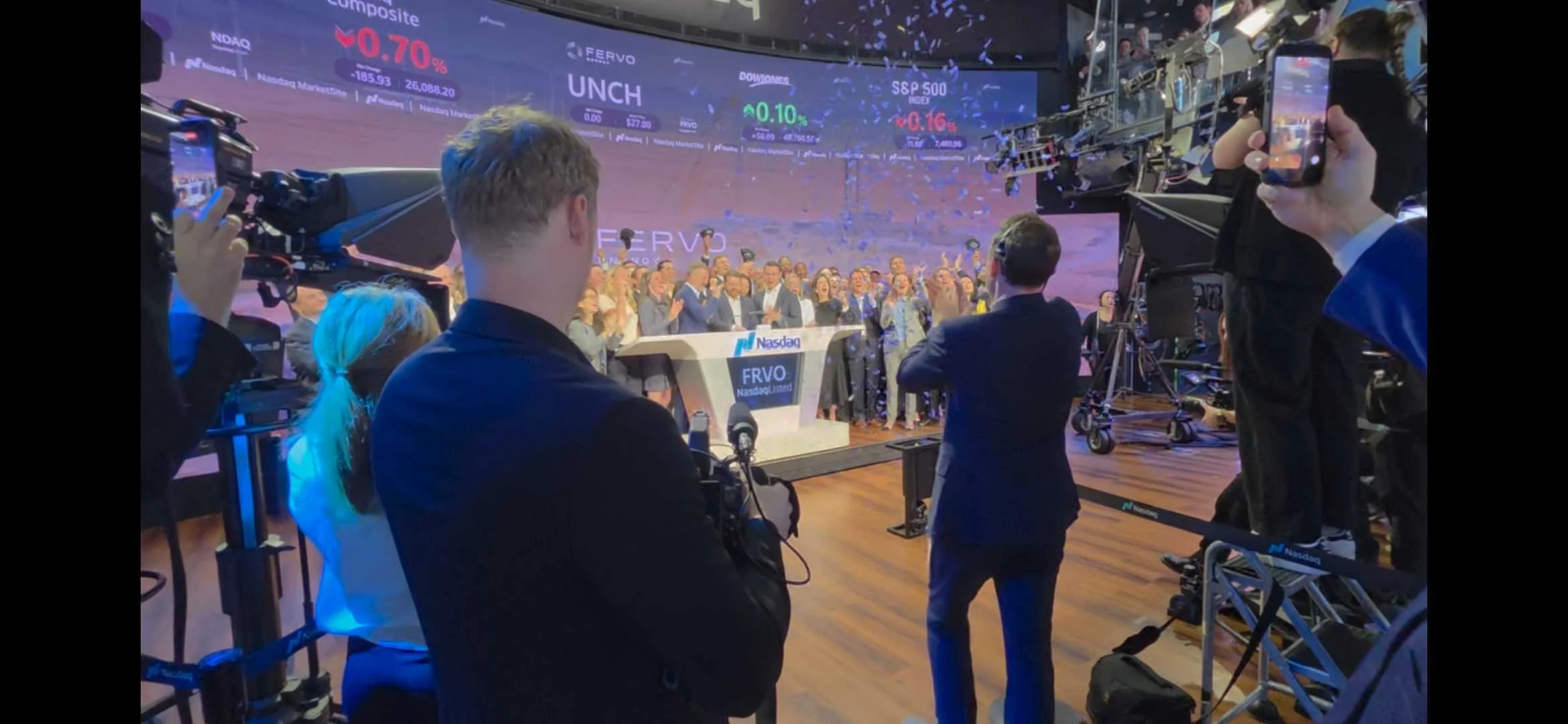
Years of work led to that confetti. This post is about what it takes to deliver an IPO roadshow film, why most pre-IPO teams underestimate the work, and what separates the teams who can pull it off from the teams who cannot. Our Fervo Energy investor roadshow case study covers the production breakdown; this post stays higher-altitude. If you are a comms lead, a CFO, or an IR partner trying to figure that out, what follows is the honest version.
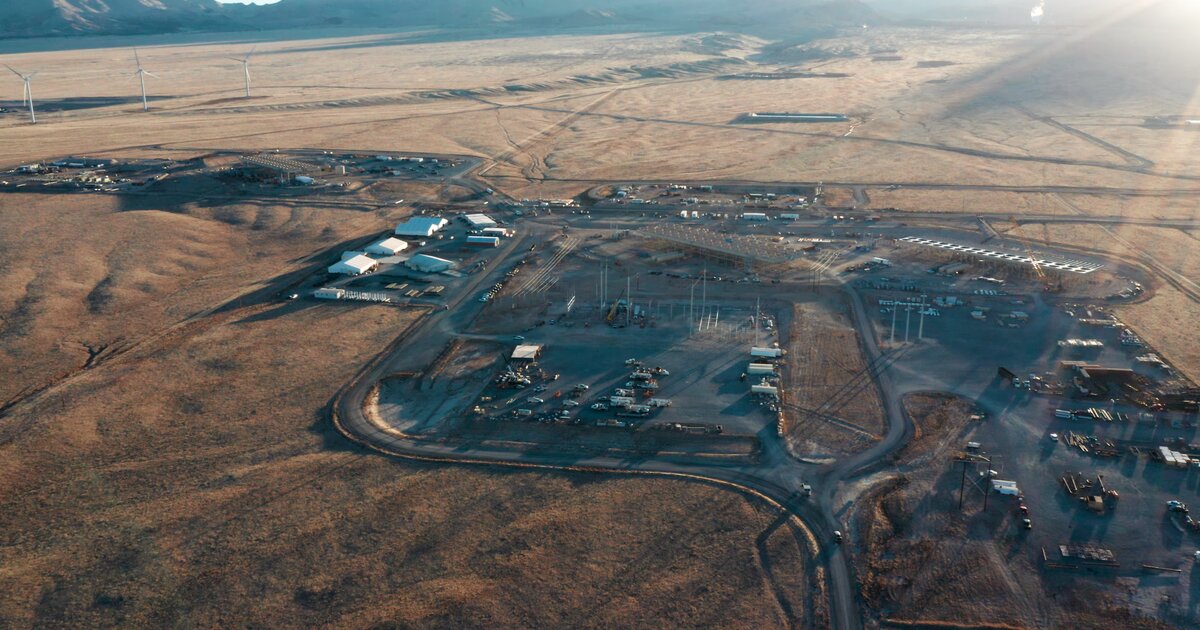
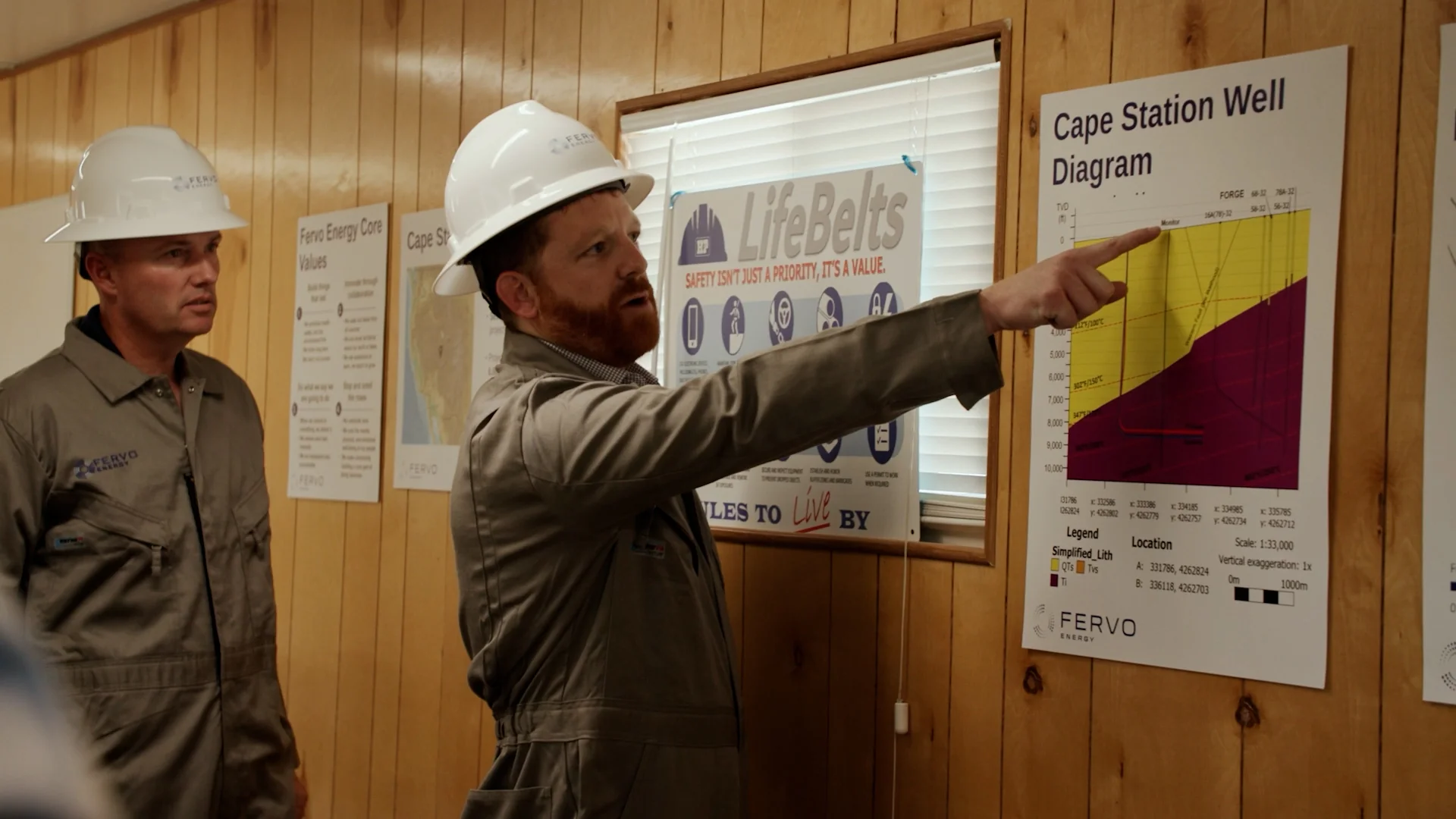
We started shooting the footage that became that film in 2023, three years before any of this would matter, on a Fervo rig in the high desert. A drilling crew was running a lateral on what will become the largest enhanced geothermal project in the country. There was no S-1. There was no listing date on the calendar. There was a camera, a small crew, and a client we believed in.
This is the part of IPO roadshow video production nobody writes about. The footage that ends up in the film was usually shot before anyone knew there would be a film. The relationships that make a roadshow cut land were built years before the IPO was on the table.
What an IPO roadshow video actually is
An IPO roadshow video is not a brand video with better music. It is a regulated investor communication, produced specifically to support the marketing roadshow that runs in the weeks before a company lists publicly. It commonly runs 20 to 30 minutes, though some companies opt for shorter, denser cuts. It plays in front of institutional investors, bank analysts, and large stakeholders during 8 to 14 days of intensive meetings. It clears legal review and tracks the company’s S-1 disclosures, line by line.
The audience matters here. These are professional investors who have watched hundreds of these films across their career. They can spot a decorative chart from across a room. They know when a founder is being coached and when they are being themselves. They are pattern-matching against every other deal they have looked at this quarter. The clarity bar is much higher than any other format we produce.
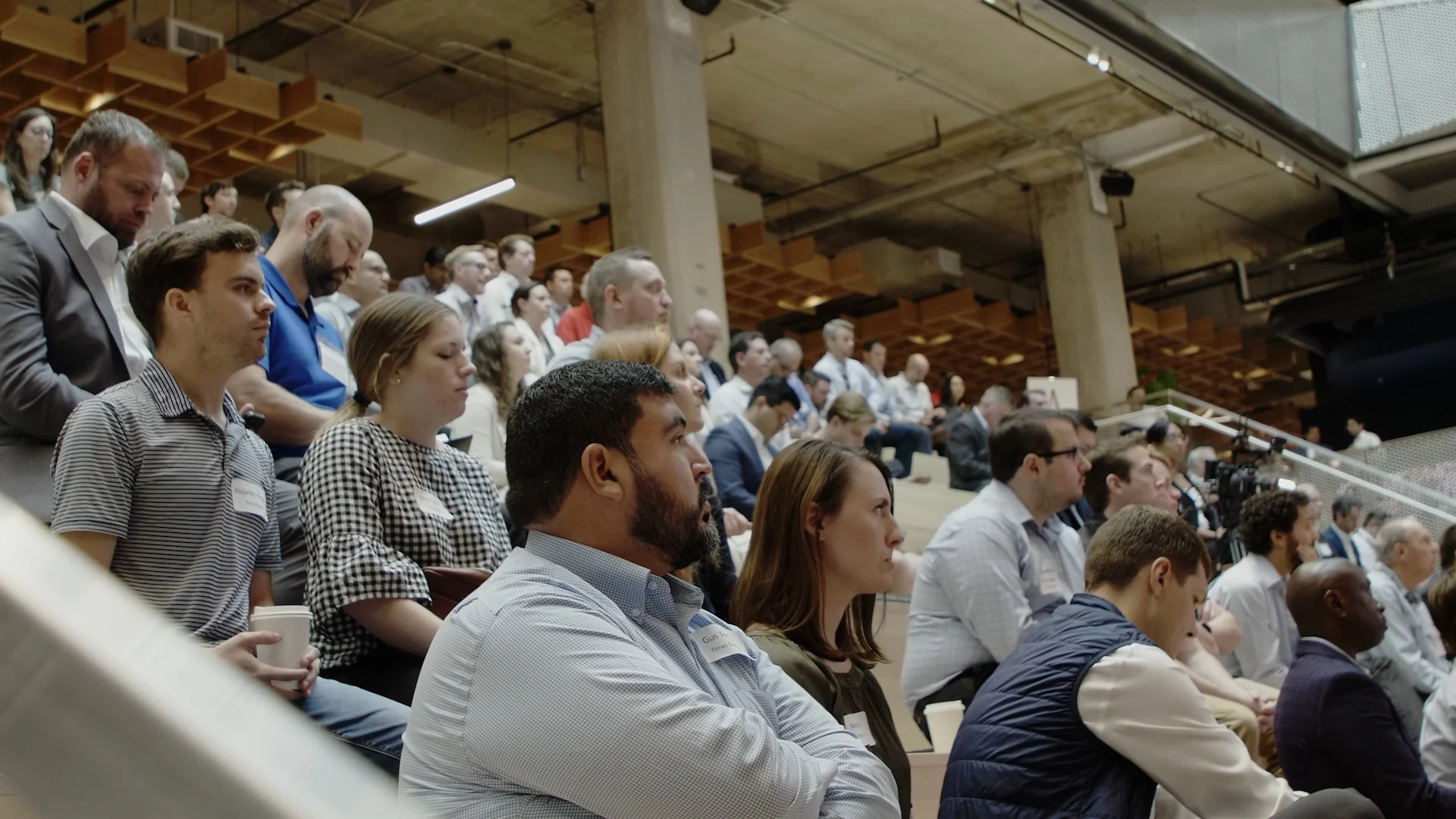
People often confuse the roadshow with the IPO itself. The IPO is the listing event, the moment shares become available on a public exchange. The roadshow is the campaign that happens in the run-up, where management and bankers meet with investors to build the book. Investopedia’s overview of the roadshow is a fine starting point if you want the textbook framing. The video sits inside that campaign as a centerpiece asset, used both in live presentations and in the materials investors take home to evaluate.
What separates a vendor from a partner on this work
Most production studios can technically deliver a 16-minute corporate film. Very few can deliver a roadshow film that will actually move a room. The difference shows up in five places, and they are the five things I would evaluate any partner against if you are about to hire one.
-
Footage you already have versus footage you have to manufacture.
A roadshow window is six weeks at the short end. If your production team is starting from a blank timeline, half that window goes to scheduling shoots, securing site access, and chasing down executive availability. The team that opens the project from an existing footage library starts at a different place. We were able to open the Fervo project from a library because we had been documenting the company since 2023. The earlier the documentary work begins, the larger that library is when the roadshow window opens.
-
Investor narrative discipline versus marketing narrative habits.
Marketing video is built around a value proposition and a target customer. Investor video is built around market size, defensibility, unit economics, team credibility, and execution risk. The two read very differently to the audience. A team that has spent years writing for buyers will instinctively over-index on customer outcomes and under-index on the things investors actually need to hear. Roadshow editorial is closer to a documentary framed around financial logic, with the company’s leadership as the protagonists.
-
In-house multi-format execution versus agency-vendor handoffs.
A roadshow package is rarely just a film. There are social cutdowns, executive interview libraries, Times Square or exchange event graphics, and an animation system that has to work across every deliverable. When live action, 3D animation, 2D motion graphics, and editorial all live on different teams, every revision becomes a coordination problem. When they live on the same team, the creative direction stays consistent across every screen the investor will see, and the timeline stops getting eaten by hand-offs.
-
Lead time versus crash course.
The best roadshow content comes from teams who have been documenting the company before the IPO sprint starts. We started with Fervo in early 2023. By the time the S-1 filed, we knew the technology, the cadence of the leadership team, the off-camera notes the founders prefer, and the difference between EGS and conventional geothermal in language an investor would actually accept. That kind of depth came from three years of lead time. A shorter head start still beats starting at filing. The right question to ask any partner is how much runway you can give them before the deadline arrives.
-
Full visual package thinking versus film-only thinking.
Going public is a visual event. The film is one piece of it. The Times Square boards, the opening bell broadcast, the social cutdowns that the team and the investor base will share that morning, the executive interview library that will get used for IR content for the next two years. All of it should be planned together, color-graded together, and delivered as a coordinated system. When the package is treated as separate jobs by separate vendors, it shows.
What pre-IPO comms teams get wrong
The mistakes are predictable, and they almost always trace back to the same root cause: treating the roadshow video like a marketing project on a longer timeline.
Starting too late.
— Six weeks of editing cannot make up for the fact that nobody documented the company before the S-1 filed. If a public listing is on a 12 to 24 month horizon, the documentary work should start now, not the quarter before the deal.
Treating it like a brand video.
— Brand videos sell a feeling. Roadshow videos defend a thesis. The structural assumptions are different. The pacing is different. The proof points are different. Hiring a brand-first studio for an investor-first job produces a film that looks beautiful and lands flat in the room.
Hiring a videographer instead of a translator.
— Technical companies need editorial partners who can take complex science, infrastructure, or financial mechanics and render them accurately for an audience that will fact-check you in real time. A great camera operator is not the same person as someone who can translate enhanced geothermal systems into a 90-second animated sequence that an analyst will trust.
Forgetting the launch day visual package.
— Many comms teams plan the film and forget the rest. Then listing day arrives and there is no plan for Times Square, no opening bell coverage, no social cutdowns ready to ship at 9:30 a.m. Eastern. The visual moment of the IPO happens once. Catching it requires planning weeks in advance, not the morning of.
No archival plan for life as a public company.
— The roadshow is the start of the IR content cycle, not the end of it. Quarterly updates, investor days, annual meetings, M&A storytelling, all of it benefits from a library that was organized at the moment the roadshow shipped. Leaving the project without that library locks the company into starting from scratch every time.
A brief look at the Fervo project
Fervo Energy filed for IPO on April 17, 2026 and announced the pricing of its upsized offering on May 12. Their newsroom has the formal announcements. Our work on the visual package ran across Houston (their headquarters), Utah (the planned 500-megawatt Cape Station project), and New York (the Nasdaq listing event). The centerpiece deliverable was a 16-minute investor roadshow film. The full package included social cutdowns, Times Square takeover graphics, opening bell coverage, an executive interview library, and the archival organization Fervo’s IR team will pull from for years.
The reason it came together inside a six-week production window is the part that does not show up on a deliverables list. We had been documenting Fervo since early 2023. By the time the S-1 filed, the footage existed, the relationships existed, and the technical fluency existed. The job was editorial discipline and creative coordination, not building a foundation from scratch.
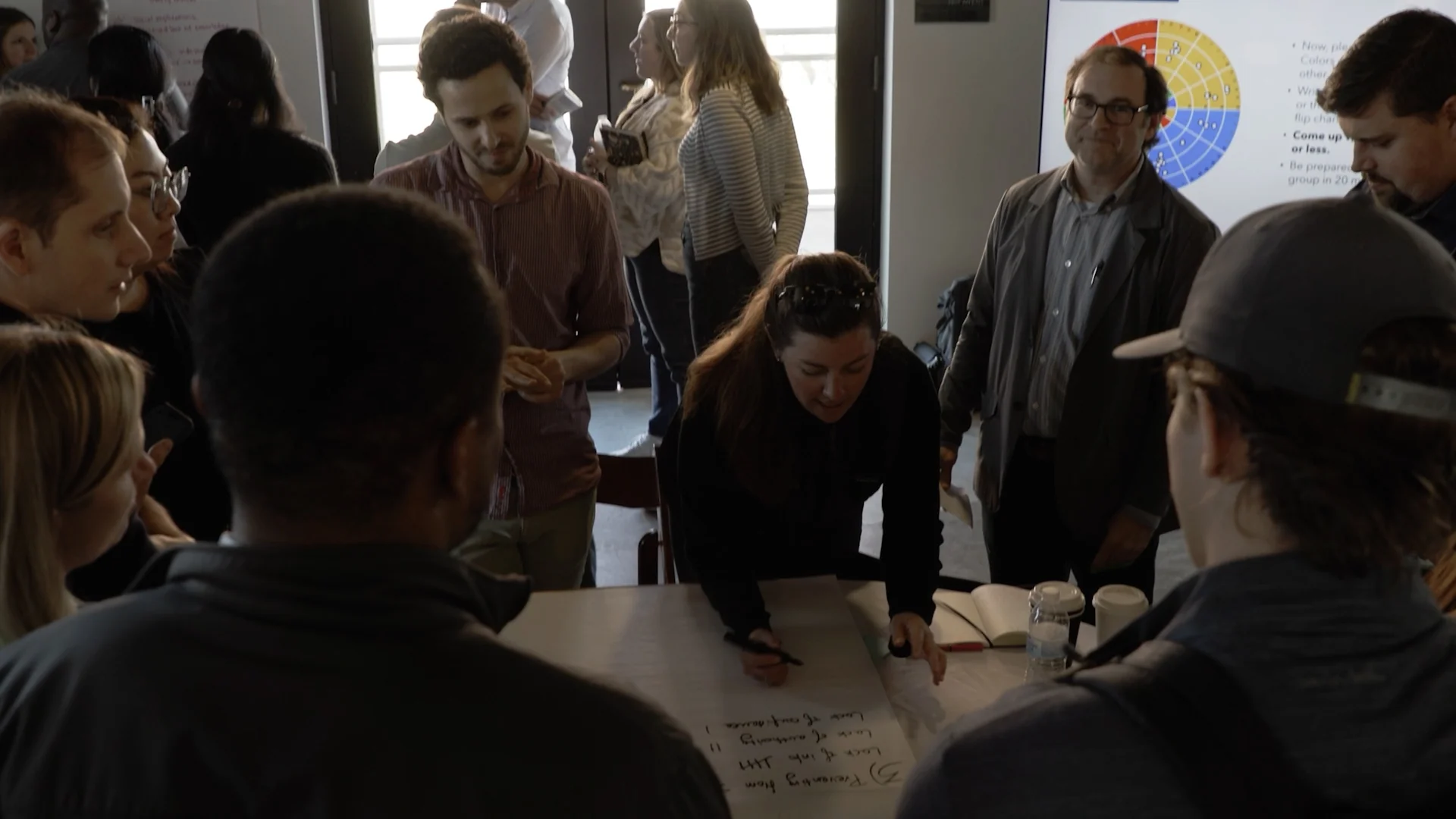
I left some of the project specifics out of this post on purpose: the multi-year partnership story, the film’s narrative and editorial approach, the full visual package deliverables, and the on-the-ground production photography. All of it is in the Fervo Energy investor roadshow case study linked at the top. From there, you can also see the adjacent energy work that built our foundation for this kind of project such as Liberty Energy’s remote power generation animation and Dryline Technologies’ industrial animation.
The throughline
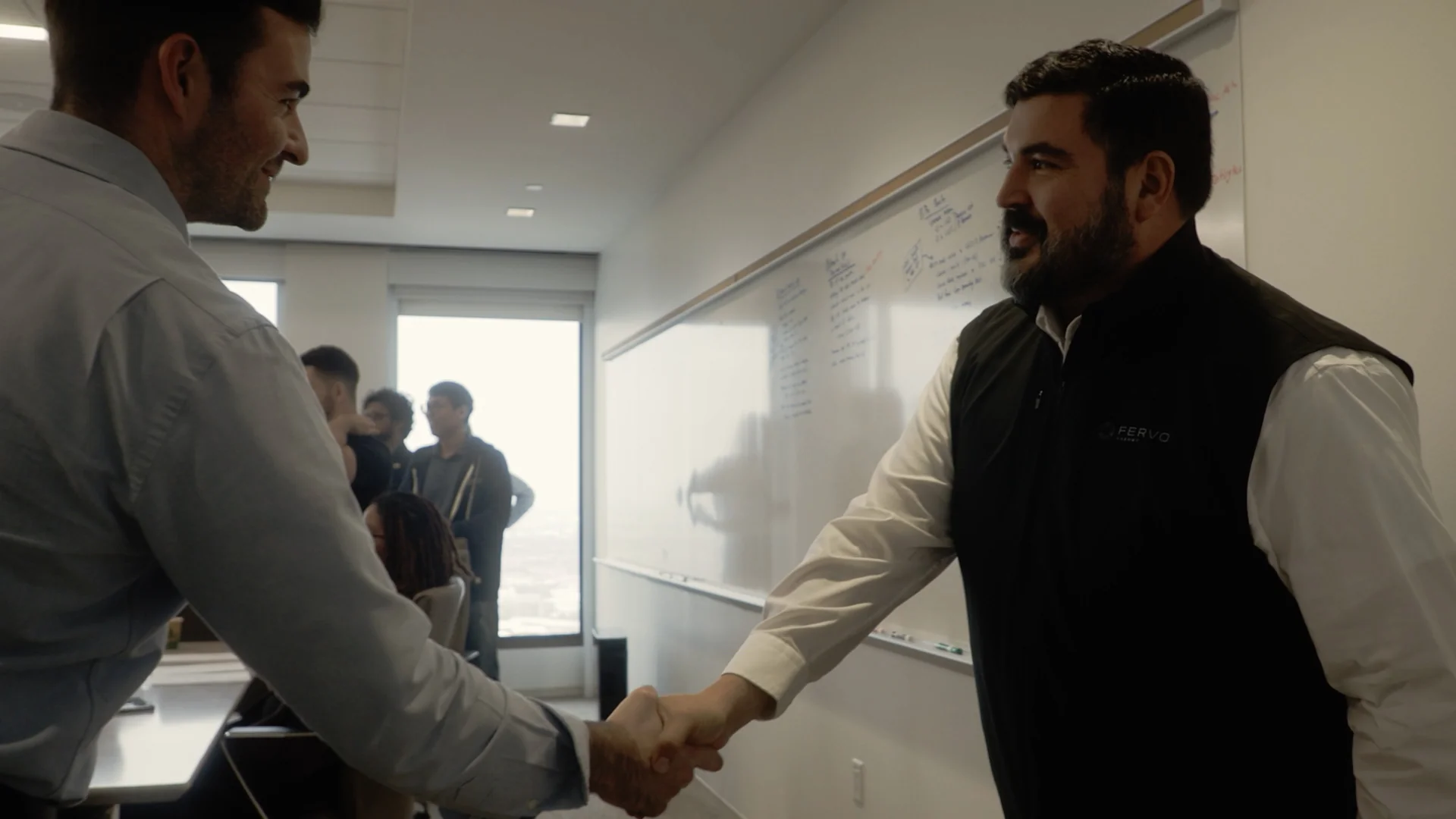
The best roadshow content comes from teams who deeply understand the business, not the brief. That sentence sounds soft until you watch the alternative play out in a room full of skeptical investors, and then it stops sounding soft very quickly. Investor audiences can feel the difference between a film built from years of context and a film built from a kickoff deck. They reward the first one with attention. They punish the second one with the room going quiet for the wrong reasons.
If you are a comms lead, a CFO, or an IR partner thinking about the next high-stakes visual project on your roadmap, the question is not which studio will make the prettiest cut. The question is which team will still be standing next to you when the listing bell rings, with the footage already in the archive and the story already understood.
Talk to my team at Motion Giraffx about your IPO, Series C, or major company milestone.
We work with companies preparing for public listings, large funding announcements, acquisitions, and any moment where the visual story has to clear a high-stakes review. If your timeline is twelve months out, that is the right time to start. If it is six weeks out, we can still help, and the conversation should start today. You can also reach our team through the video production service page or the corporate overview solution page.
About the Author