The psychology of animation: Why technical audiences respond to story
- Author: Cara Lackey
-
November 18, 2025
-
762 words
-
4 minutes
- Explainer Video
- 2D Animation
A circuit breaker saved a romantic dinner. That’s not a joke setup. It’s the opening of one of B2B marketing’s most unlikely success stories.
Schneider Electric faced a problem most industrial marketers know too well: how do you make people care about something invisible? Their circuit breakers live in every home but homeowners never buy them directly. The product only gets attention when something goes wrong.
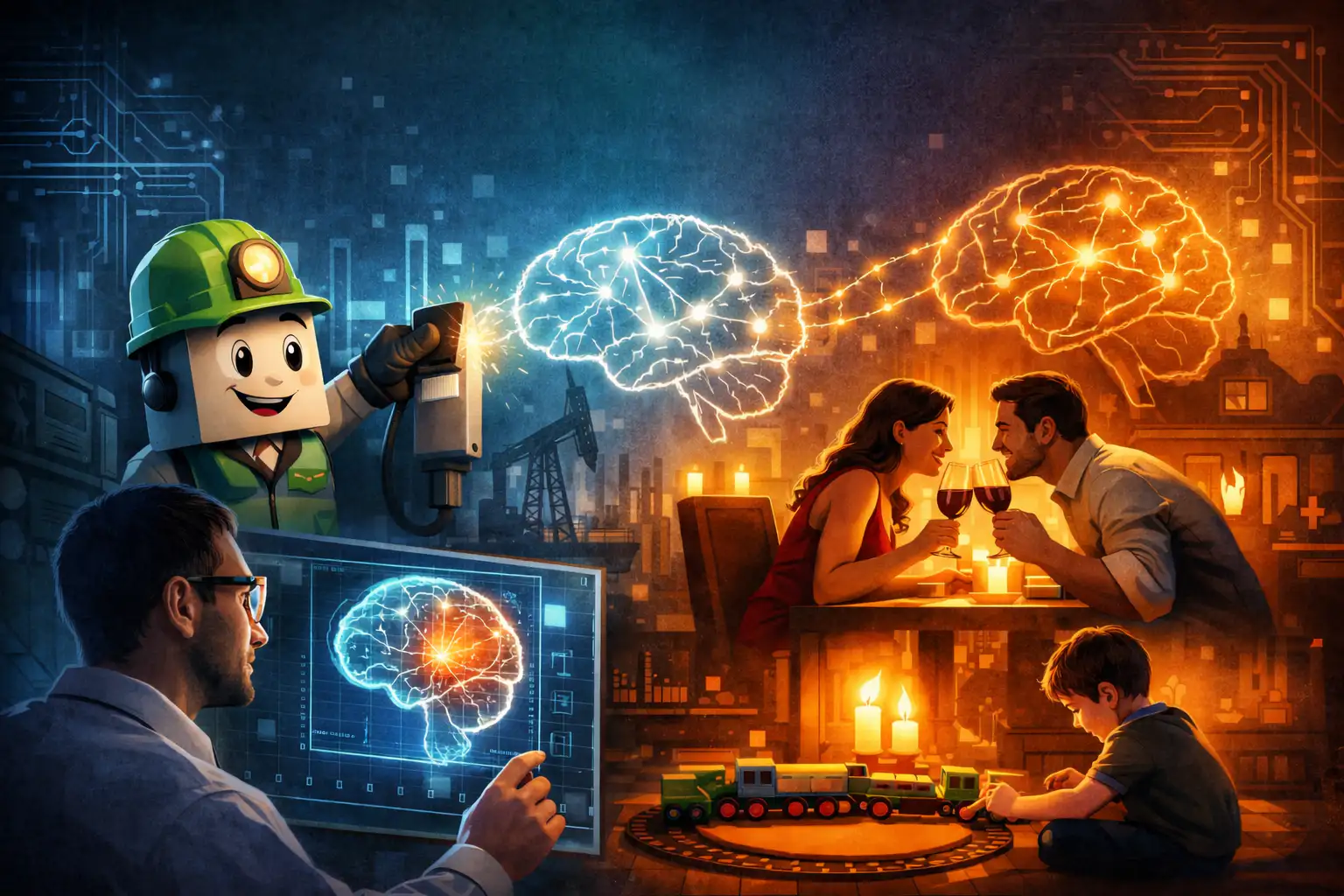
Their solution was an animated character who quietly restored power during life’s meaningful moments. A child’s toy train. A garage band practice. A candlelit anniversary. The campaign earned 19 million views. For circuit breakers.
That number surprises marketers who assume engineers and procurement teams care only about specifications. But research tells a different story, one that explains why animation works even when your audience has advanced degrees.
The neuroscience of technical decision making
There’s a persistent belief in industrial marketing that technical buyers make purely rational decisions. Give them the data. Show them the ROI. Skip the storytelling.
This belief is wrong, and there are brain scans to prove it.
What happens when we hear a story
When someone reads a spec sheet, only the language processing regions of their brain activate, decoding words into meaning. But when they experience a story, something different happens. Neuroscientists call it neural coupling: the listener’s brain begins mirroring the speaker’s brain patterns. Areas responsible for sensory experience, emotion, and motor planning all light up as if the listener were living the events themselves.
A study published in Social Cognitive and Affective Neuroscience tracked brain activity during storytelling and found that audience members’ neural patterns synchronized with the storyteller’s, and with each other’s. The more engaging the narrative, the stronger the synchronization. This isn’t metaphor. Stories literally align brains.
For technical audiences, this matters enormously. When you describe a valve failure through data alone, you activate analytical processing. When you show that valve failure happening with consequences unfolding in real time, you activate experiential processing. The information becomes felt, not just understood.
Why logic comes second
A landmark study from Google, CEB, and Motista revealed something counterintuitive: B2B customers are more emotionally connected to their vendors than typical consumers are to their brands. Not less. More.
The reason makes sense when you consider the stakes. A consumer buying the wrong dishwasher faces inconvenience. An engineer specifying the wrong flow control system faces project delays, safety concerns, and professional reputation damage. Higher stakes create higher emotional investment.
This is why explainer videos consistently outperform documentation in B2B contexts. They don’t bypass technical thinking. They accelerate it by providing the emotional scaffolding that makes complex information memorable.
From invisible to unforgettable
Schneider Electric’s campaign succeeded because they understood something fundamental: humans don’t connect with products. They connect with what products enable.
No one stays awake at night thinking about circuit breakers, but they do think about their daughter’s birthday party, the moment before a first kiss, the garage rehearsal that might lead somewhere. By placing their invisible product inside visible human moments, Schneider made the unremarkable unforgettable.
The translation problem
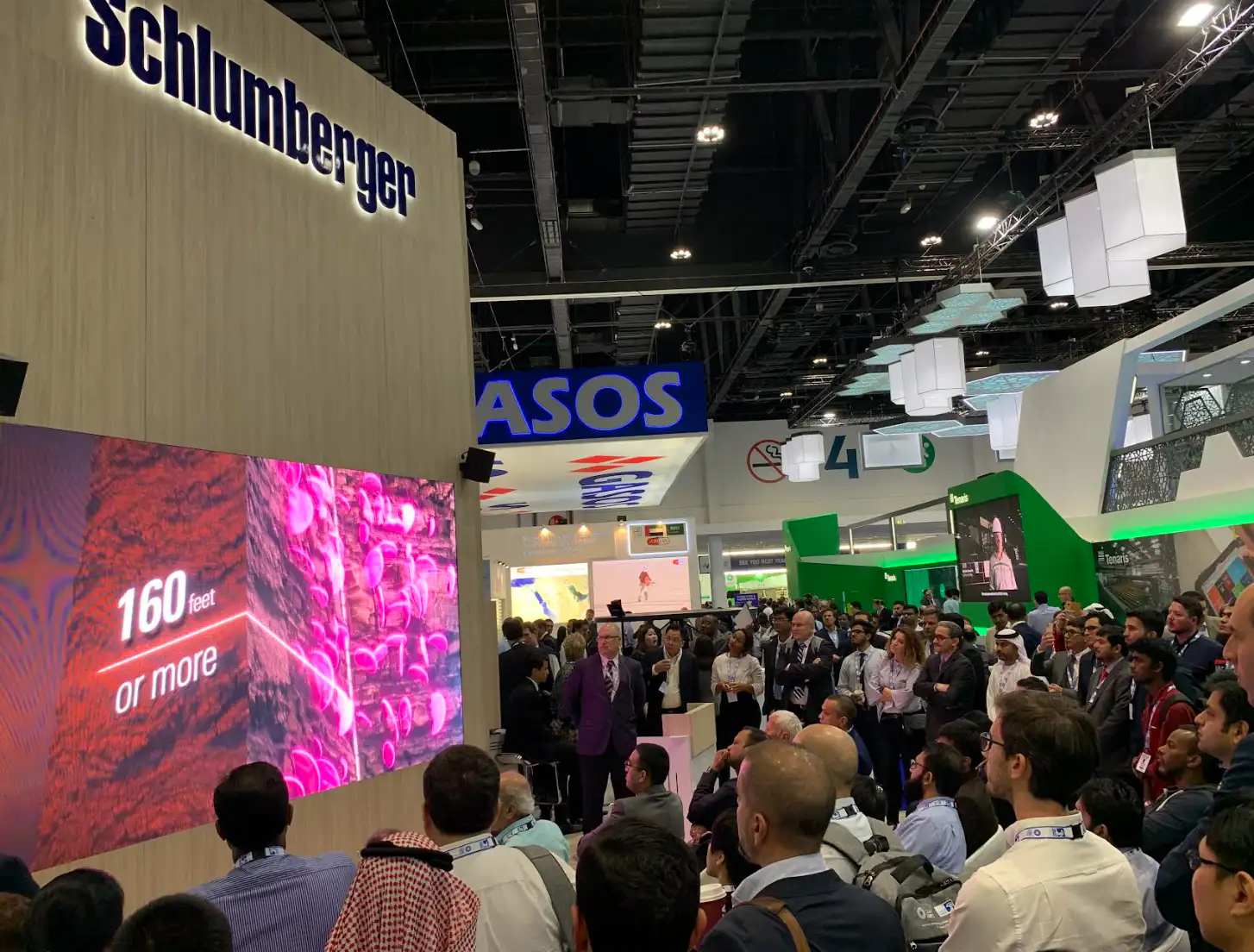
I encounter this challenge constantly in our use case portfolio work. When SLB asked me to communicate their Intelligent Pipeline Integrity solution, I faced similar constraints. The technology monitors infrastructure that runs underground, behind walls, beneath attention. Cameras can’t capture it. Photographs can’t explain it.
So I led with stakes instead of sensors. Energy infrastructure that keeps cities running. The difference between a detected anomaly and a catastrophic failure. Technical accuracy mattered because our animations had to satisfy engineering review, but emotional resonance made the work stick.
This is what 2D animation does well: it translates the invisible into the intuitive. It compresses months of R&D into sixty seconds of clarity. It shows the meaning of features, not just the features themselves.
Accuracy enables emotion
Some technical marketers worry that storytelling means sacrificing precision. I’ve found the opposite.
Good animation requires deep technical understanding. You can’t visualize a process you don’t comprehend. The storytelling layer adds accessibility without subtracting accuracy. It opens the door wider, letting more people into the conversation your engineers have been having.
Technical audiences don’t respond to story despite their expertise. They respond because of it. Engineers recognize when someone has done the work to understand their world. That recognition builds trust faster than any spec sheet.
Your team spent years developing breakthrough technology. Your buyers have minutes to understand why it matters. Animation bridges that gap by combining what’s true with what’s felt.
Schedule a conversation and let’s discuss how to make your complex technology impossible to ignore.
About the Author