Why your SaaS demo video looks like everyone else's
- Author: Cara Lackey
-
March 10, 2026
-
795 words
-
4 minutes
- Explainer Video
- Product Demo
- 2D Animation
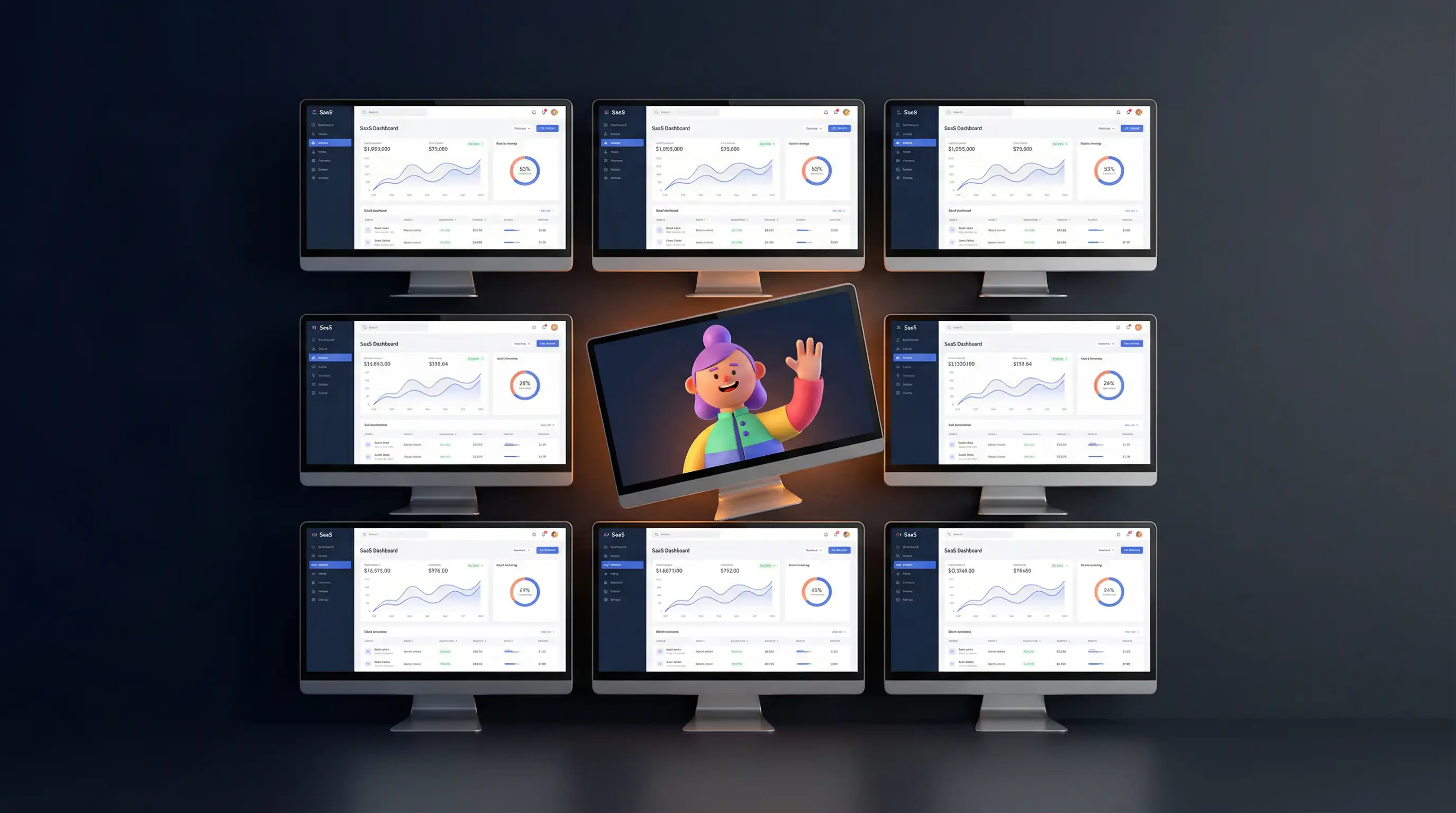
Pull up five SaaS product pages right now. Odds are, at least three feature the same thing: a cursor clicking through interface screens while upbeat music plays. They blend together… they’re forgettable… and that’s the problem.
When your video looks identical to your competitor’s video, you’ve lost before the viewer even understands what you do. The medium undermines the message.
The differentiation problem
Screen recordings seem logical: show the product, walk through features, and let prospects see exactly what they’re getting. However, here’s what that approach actually communicates: tHis iS aN inTerFace.
Every software product has an interface. Every competitor can make the same video. With 89% of businesses now using video marketing, the bar for standing out keeps rising. A cursor clicking buttons tells viewers what your software does. It rarely tells them what it means for their business.
Screen recordings also age badly. UI updates mean reshoots. Feature changes mean reedits. That “current” walkthrough becomes dated the moment your design team ships improvements.
And there’s a subtler issue: showing every menu and dropdown can overwhelm buyers who just want to understand if this solution fits their problem. Technical detail has its place, but it’s not always the first conversation.
What animation offers
Animation operates on a different level. Instead of this is what our software looks like, it says this is what your business becomes when you use it.
Abstract visuals can represent outcomes that interfaces can’t show directly. Time saved. Complexity simplified. Teams working in sync instead of chaos. These benefits exist outside any screenshot.
Animation also creates something screen recordings can’t: a distinct visual identity. When every competitor shows similar dashboards, the company that tells its story through custom 2D motion graphics owns a visual space no one else occupies.
The abstraction advantage
Software marketing faces a specific challenge. The product is intangible. The value is often invisible and the competitive landscape means dozens of tools might solve similar problems.
Abstraction cuts through that noise. A few colors, shapes, and intentional motion can communicate ideas that would take minutes of screen time to demonstrate literally. This means benefits land faster and emotional resonance runs higher.
There’s also the timelessness factor. Abstract animation doesn’t date the way interfaces do. A concept video created today still works after your next major release. The story stays relevant even when the product evolves.
An example solution in action
SMA Technologies builds enterprise workload automation software. Their product, OpCon, handles complex operations that large organizations customize extensively. The possibilities are essentially endless, which creates a marketing problem: how do you showcase software when every customer’s implementation looks different?
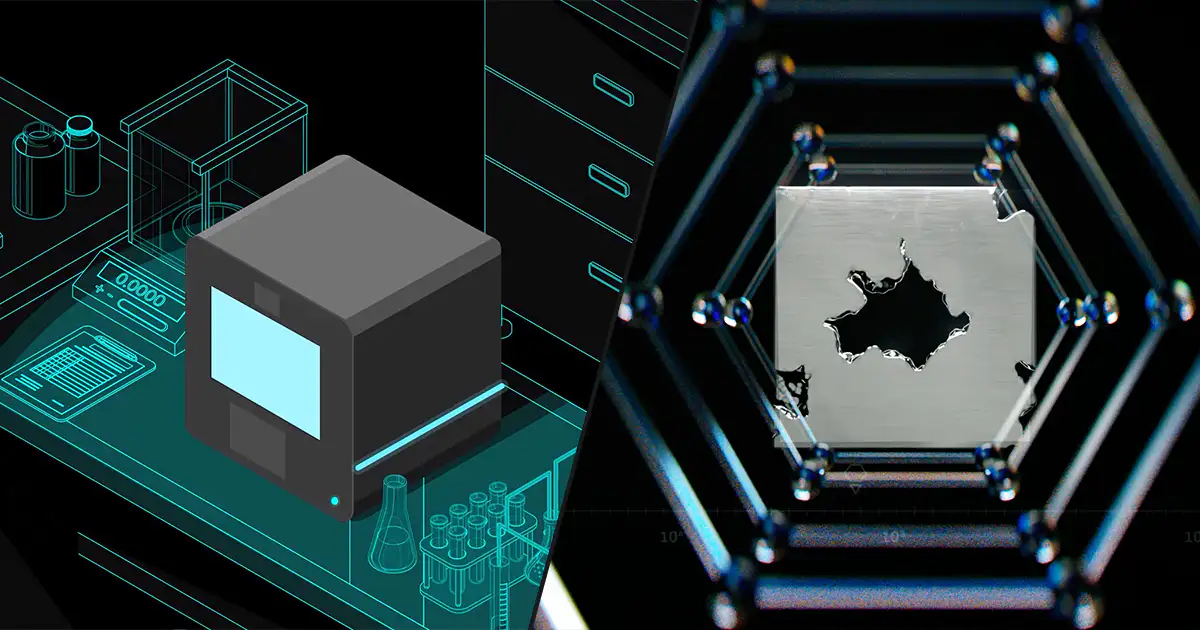
The answer wasn’t screen recordings. They commissioned a series of abstract motion graphics that tell the story of WHAT OpCon enables, not just the literal screens users navigate.
Here’s where it got interesting. Five similar stories needed to be easily distinguishable from one another. The solution: a very limited color palette and completely abstract visuals inspired by the approach tech giants like Facebook, Google, and Microsoft use for their own products.
Now a few colors, shapes, and sound effects give instant understanding of what the software accomplishes. Viewers grasp the value without getting lost in technical implementation details they can’t evaluate without hands-on experience anyway.
When to use which
The choice isn’t binary. Different contexts call for different tools.
Animation works best for:
- Awareness-stage content where differentiation matters most
- Products with complex or customizable functionality
- Stories about outcomes, benefits, and transformation
- Content that needs to stay current through product evolution
Screen recordings work best for:
- Decision-stage buyers who need to see exactly what they’re purchasing
- Training content for existing users
- Feature announcements to current customers
- Technical audiences who want interface specifics
The 75% of B2B buyers who say product demos influence purchasing decisions want different things at different stages. Early in the journey, they need to understand WHY. Later, they need to verify HOW. Matching format to buyer stage matters more than picking one approach for everything.
The real question
The real question isn’t whether animation beats screen recordings. It’s what you want viewers remembering after they close the tab.
If the answer is “the specific location of menu items,” screen recordings serve that goal. If the answer is “the feeling that this company understands my problem and has a solution worth exploring,” animation creates that connection more reliably.
Software buying decisions aren’t purely rational. Buyers choose products they understand, from companies they trust, with stories that resonate. The companies winning attention in crowded markets are the ones whose videos don’t look like everyone else’s.
That cursor-clicking sameness mentioned in the start of this article? It’s avoidable.
Let’s discuss your product story. Whether your software needs abstract animation, literal demonstration, or a strategic combination, the starting point is understanding what you want viewers to take away.
About the Author