How Cleantech Companies Explain Unproven Technology to Investors
- Author: Cara Lackey
-
June 23, 2026
-
989 words
-
5 minutes
- Explainer Video
- Corporate Overview
- 2D Animation
Pre-revenue cleantech founders raise money on technology an investor cannot watch working. The science is real and often genuinely differentiated, but the process hides inside a sealed reactor, at molecular scale, or across infrastructure too large to fit in a room. On slide seven, it collapses into the same feedstock-reactor-product diagram every other deck in the category is already using.
Closing that gap is the specific job of a cleantech explainer video. Produced as a corporate animation video for an investor audience, it makes the mechanism visible before anyone has to take the founder’s word for it. That is a harder bar than a brand film clears, and a more useful one than most decks manage.
The cleantech credibility problem
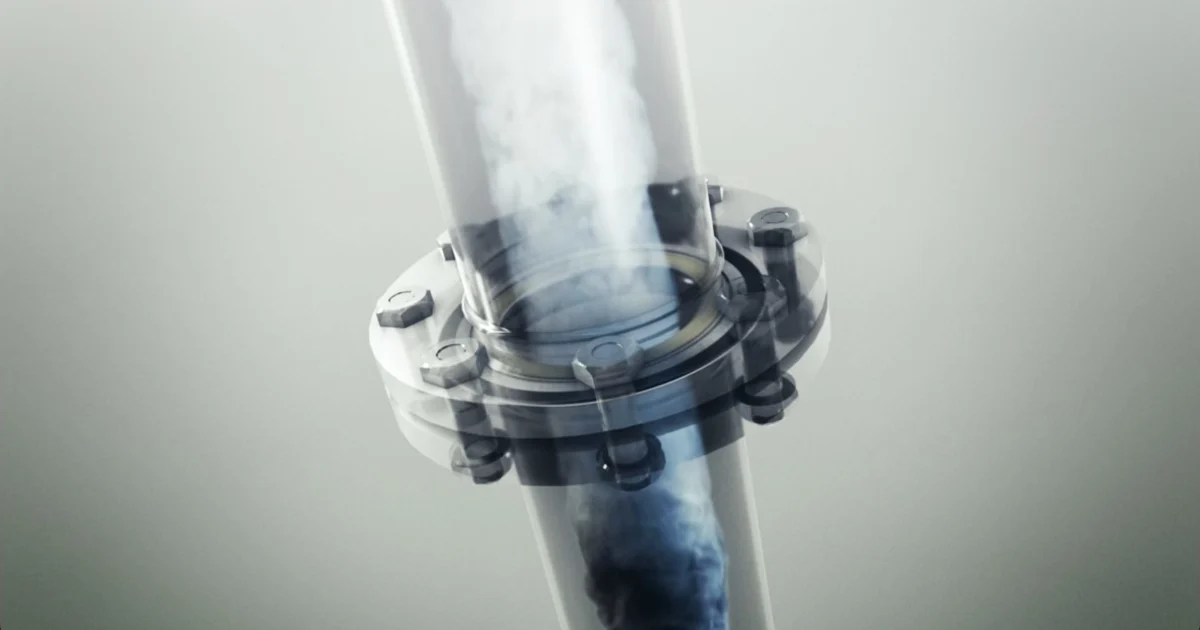
Most industries sell things a camera can reach. You can film a factory floor, demo a SaaS dashboard in real time, or photograph a physical product under studio lights. Pre-revenue cleantech founders rarely have that option. The process happens inside a sealed reactor, at molecular scale, underground, or across a grid infrastructure too large to capture in a single frame.
Technology that works in a lab isn’t the same as technology an investor can picture working at commercial scale. That gap, between what the science does and what a non-technical stakeholder can mentally model, is what kills otherwise fundable deals.
The investment environment has sharpened this problem. Global climate tech investment reached $40.5 billion in 2025, up 8% year-over-year, according to Currence’s 2025 Climate Tech Investment Trends report.
The Cleantech for Europe Annual Briefing 2025 notes that despite sustained capital activity, the post-2022 environment has grown more selective, with investors evaluating more companies per dollar committed and running longer diligence timelines. Founders who close faster tend to be the ones who can show the mechanism, not just describe it.
What animation does that a pitch deck cannot
A pitch deck states facts. Animation makes those facts felt.
When I work on explainer videos for cleantech clients, the brief almost always comes back to the same three questions.
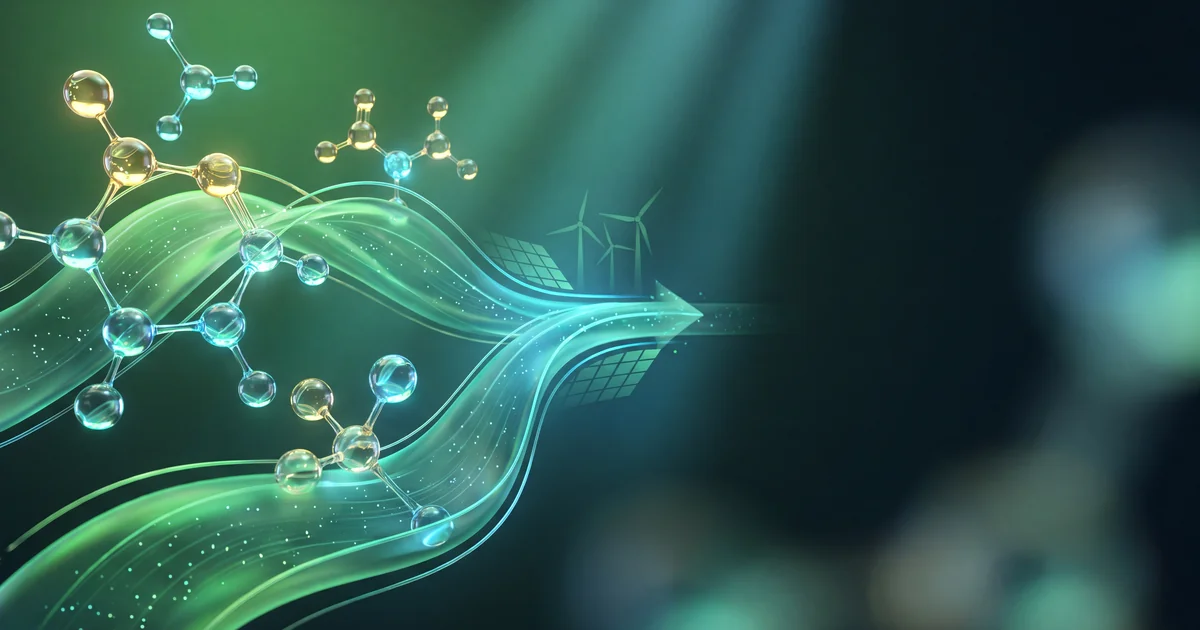
The mechanism. How does the technology actually work, beyond the claim? For our work with Solugen, the challenge was making a molecular-level chemienzymatic reaction legible to an audience without chemistry PhDs.
The animation sequenced the process from feedstock to product, bonds forming and pathways unfolding, at a pace that let the mechanism land before the market slide ever appeared. A process flow diagram can name the steps. It cannot make them feel real.
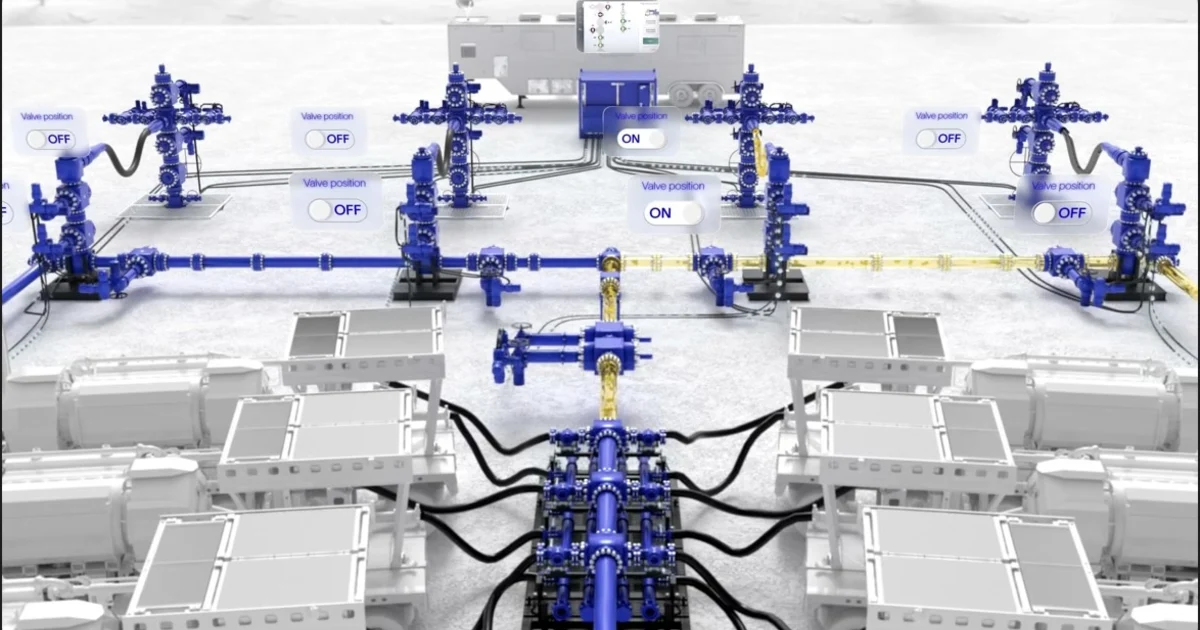
The scale path. How does one unit multiply into a business? Investors fund the scale story as much as the science. For our Certarus project, we animated their compressed natural gas delivery system at the logistics level, showing how a single mobile power unit extends into a network of deployments across sites that lack pipeline access.
That picture mattered because the financial model made more sense once the operating model was already visible. A map and a table of numbers couldn’t build the same understanding in real time.
The unit economics logic. What does one installation cost, produce, and return? 3D animation can walk an investor through a single deployment, its footprint, its inputs, its output flow, in a way that makes per-unit economics feel grounded rather than speculative. When you can see the thing operating, the cost model stops being an abstraction.
These three answers don’t replace the pitch deck. They make the pitch deck make sense.
2D or 3D, and why accuracy matters either way
2D animation handles process flows, molecular diagrams, system overviews, and mechanism walkthroughs with more flexibility and at faster production timelines. For chemistry-level storytelling, where the goal is to sequence a process rather than render a physical object, 2D is usually the right choice.
3D earns its higher production cost when the technology is a physical product or infrastructure asset whose geometry matters to the investor. A CNG delivery unit, a downhole tool, a grid-connected storage system — these benefit from dimensionality.
For our Nabors work in energy technology, 3D let us show a drilling innovation oriented in space, operating against the environment it was designed for. That spatial grounding matters when briefing a non-technical stakeholder in a 20-minute slot.
One constraint applies to both formats: accuracy. In a fundraising context, what you show is understood as a representation of what exists or what’s being built. Overclaiming in animation carries the same compliance risk as overclaiming in a deck.
Every cleantech explainer video I produce goes through sign-off from the client’s technical lead and legal counsel before a single frame is locked. That review is standard practice, not an exception.
The accuracy demands don’t disappear in other industrial verticals. The companion piece on 3D animation for manufacturing companies covers the same tension between technical precision and commercial storytelling.
The real work the video is doing
In cleantech, the gap between what the science does and what the room can follow is wider than in any other vertical I work in. Motion Giraffx is Houston-based, which means energy and cleantech work shows up in the client mix regularly. The same constraint makes oil and gas animation demanding. The post on how animation handles complexity that print cannot explores this dynamic further.
The cost of a fundraising explainer varies by scope and format. What it buys is specific: an investor who understands the mechanism is an investor who can ask better diligence questions, build a more accurate mental model of the business, and move faster toward a decision. The video doesn’t close the round. It removes the friction that slows one down.
Founders who treat the explainer as a technical communication tool, not a final deck deliverable, deploy it earlier and get more from it.
The technology is real. The question is whether the investor can see it working.
Talk to my team about your fundraising explainer
Bring the technical brief and the investor narrative you have already drafted. My team at Motion Giraffx will come back with a scope, a style recommendation, and a production plan built around your raise timeline.
About the Author