Industry Giants turned twenty, and I sat on two panels
- Author: Cara Lackey
-
October 13, 2026
-
1092 words
-
5 minutes
- 3D Animation
- 2D Animation
- Video Production
I’m Cara Lackey, CEO of Motion Giraffx, a Houston animation studio. On Saturday, October 3, I sat on two panels at Industry Giants 2026 in Richardson, Texas. AI in animation was a topic on both panels. We also talked about how artists get their start, and in the afternoon, why some of us started companies.
Below is the day in outline. After that is my advice for artists who want to sell their work while clients ask about AI, with where our studio stands on each point.
Industry Giants has run in the Dallas area for twenty years
Industry Giants is an animation conference where working professionals review portfolios, sit on panels, and talk with students.
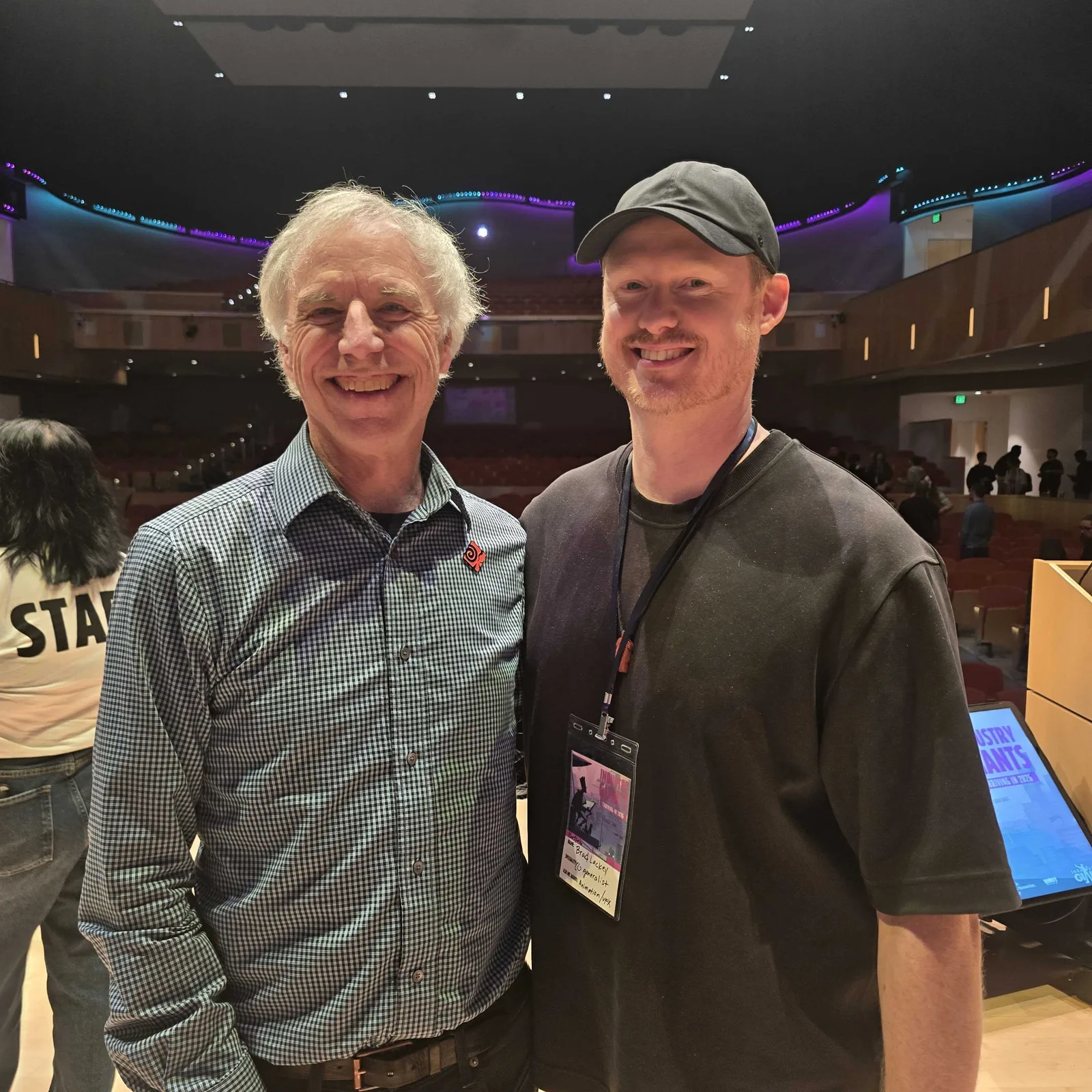
This was the 20th annual Industry Giants Dallas event, hosted by A Bunch of Short Guys, a Dallas-based nonprofit. It was held at the Edith O’Donnell Arts and Technology Building at UT Dallas. Our team has joined in several roles over the years, as portfolio reviewers, booth operators, volunteers, and even student attendees more than a decade ago. This year Brad Lackey, co-owner and 3D generalist at Motion Giraffx, reviewed portfolios while I was a panelist and mentor.
I sat on two panels
Morning: Industry Conversation – Entertainment
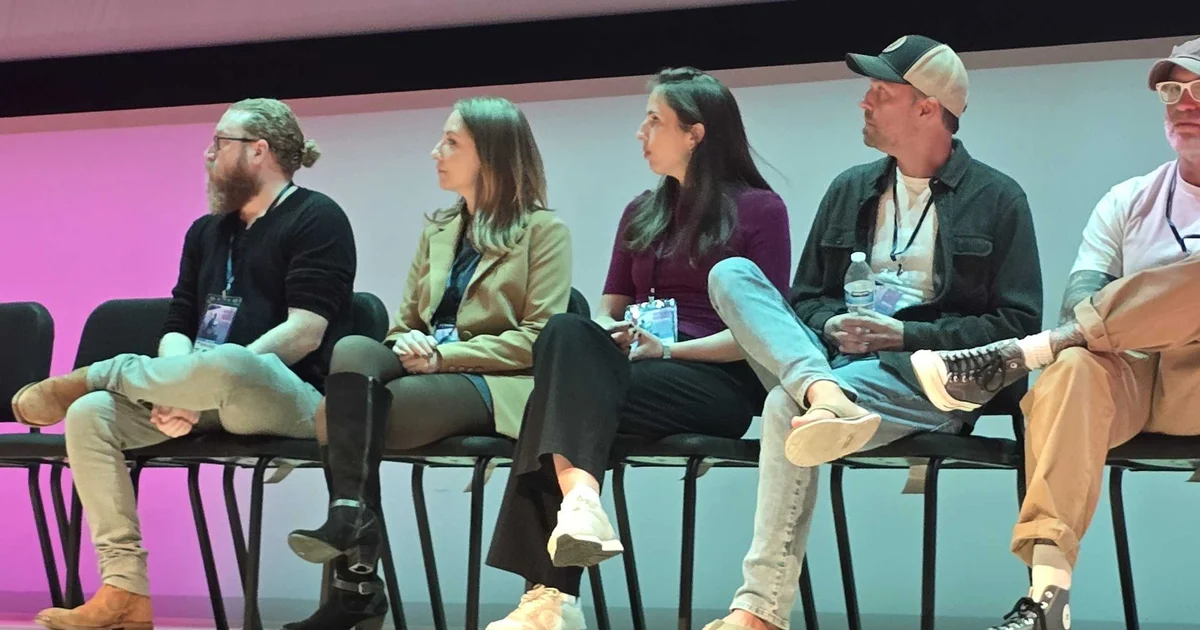
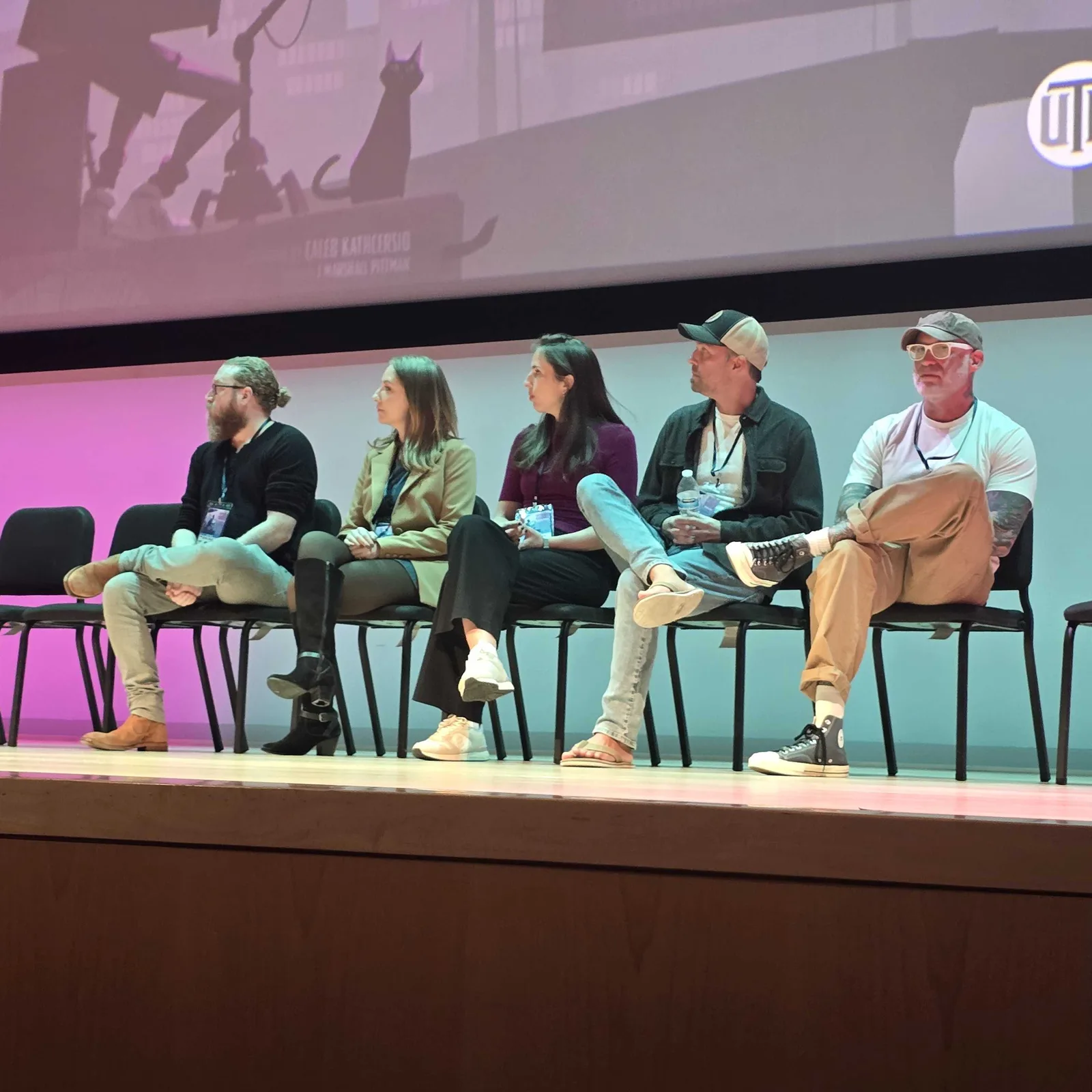
The first session, Industry Conversation – Entertainment, ran from 10:45 to 11:45 in Room 1.305 with Squirrel Eiserloh moderating. I shared it with Ahren Shaw, Rod Douglas, Elise Hatheway, and Nicole Miller. Topics included how AI is affecting the industry, how each of us got our start, and what a day in the life of a professional animator looks like.
The panel also covered advice for emerging artists and for artists between jobs.
The organizer’s faculty page lists me as a mentor and panelist and notes that I coach and mentor students across Texas. I also run career coaching for motion designers, and learning to work with and around AI tools is part of that plan. Our studio’s position is in our 2025 post on AI and animators.
Afternoon: Mega Industry Panel
The afternoon panel included studio founders and studio leads.
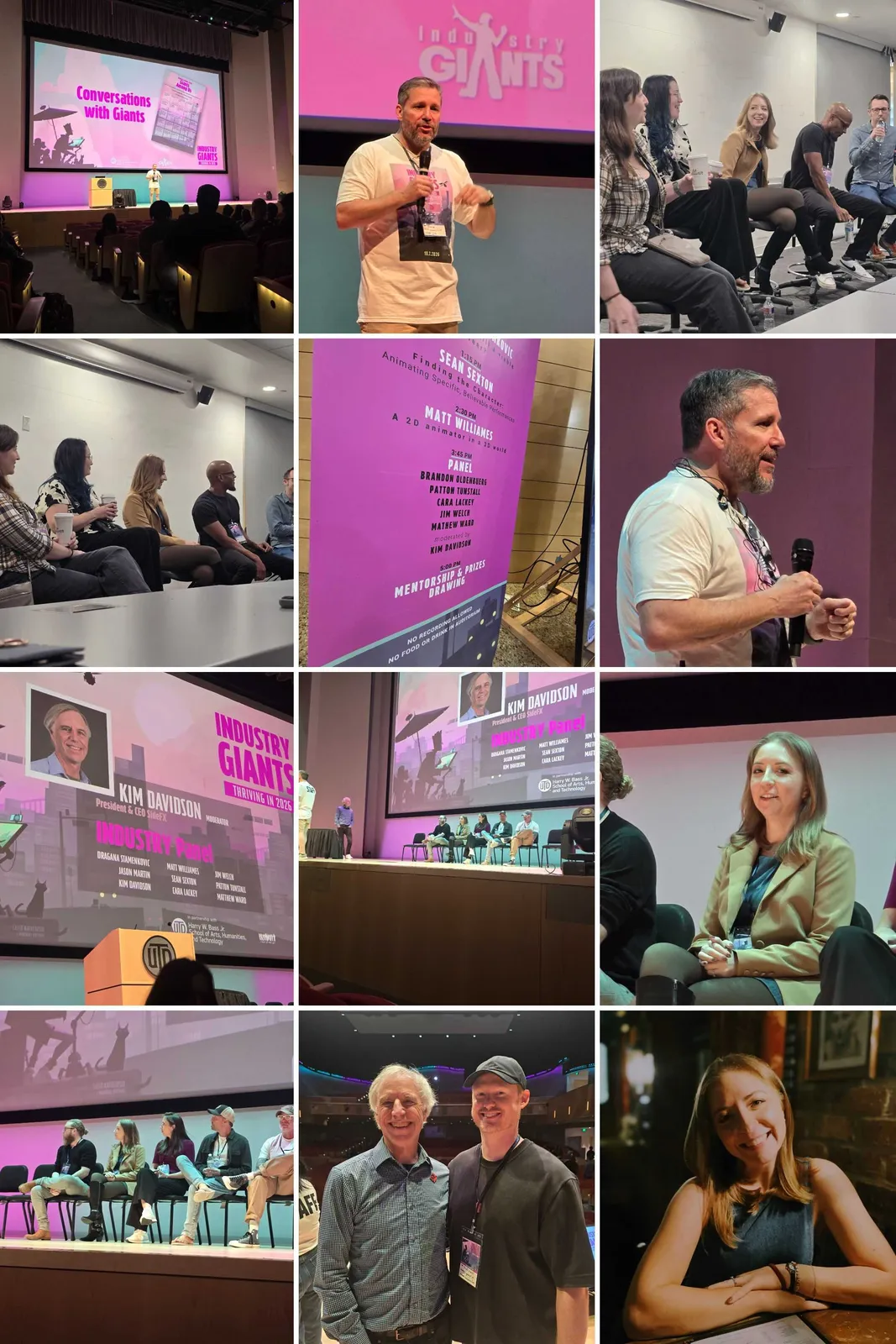
The Mega Industry Panel ran from 3:45 to 5:00, moderated by Kim Davidson, President & CEO of SideFX, which makes Houdini, widely used animation software. The panelists were Dragana Stamenkovic, Jason Martin, Sean Sexton, Matt Williames, Jim Welch, Patton Tunstall, Matthew Ward, and me.
Animation and art leads from studios such as DreamWorks Animation, id Software, and Skydance Animation were on stage. Four of us had started businesses: Patton, Dragana, Jim, and me. Topics included AI and its impact, what motivated some of us to start companies, and what we had done right and wrong in our careers. We also covered what advice we would give anyone getting into the industry. It included questions from the audience.
The faculty page also gives my career history. I worked in agency and in-house corporate roles before finding I was better suited to running a company, and Motion Giraffx started in 2014.
How to sell your work when clients ask about AI
Both panels came back to AI and what it means for working artists. Here is what I tell artists who want clients to pay for their work instead of a generator. Where it applies, I include what our studio does.
-
Put your stance on AI in writing.
Clients will ask whether AI made any part of the work. Answer before they ask, in your proposals and on your site. Our about page states that we use no AI-generated frames.
-
Show the thinking behind the frames.
A generator can make images, but clients pay for ideas that fit their product. Show them that part of your work. For example, our team wrote the tagline for SLB’s Deka animation.
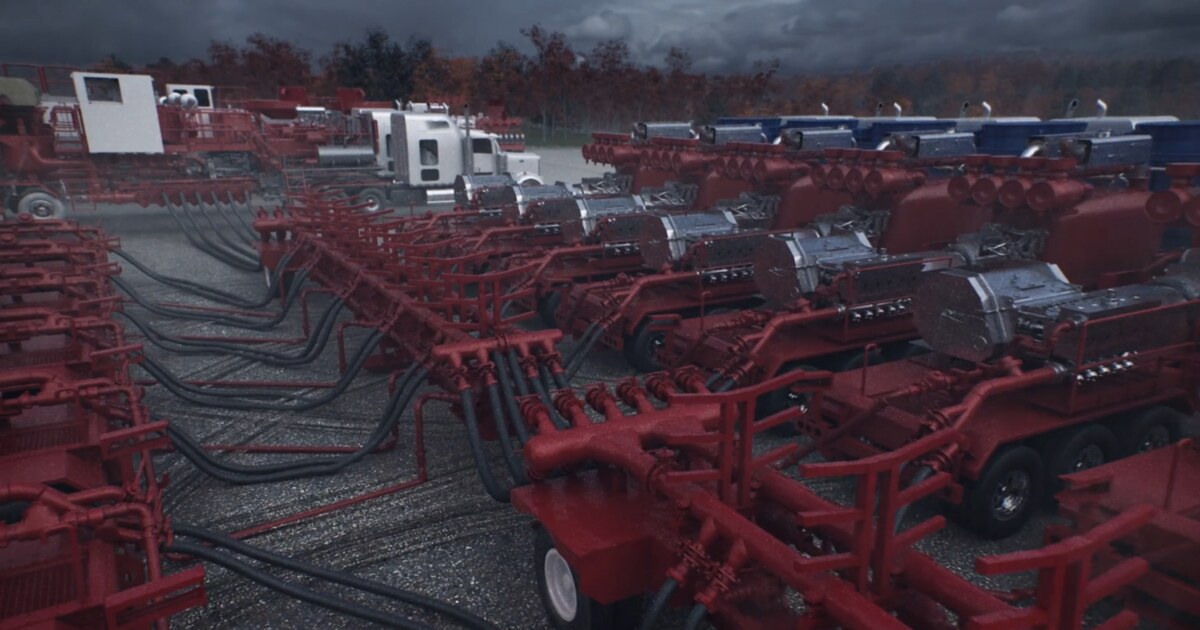
Deka is a diamond-coated metal pipe, and we animated it for a trade show with the tagline “Be brilliant under pressure.” Brilliance is one way diamonds are graded, and the pipe does its work in the curves of the well, where pressure is highest.
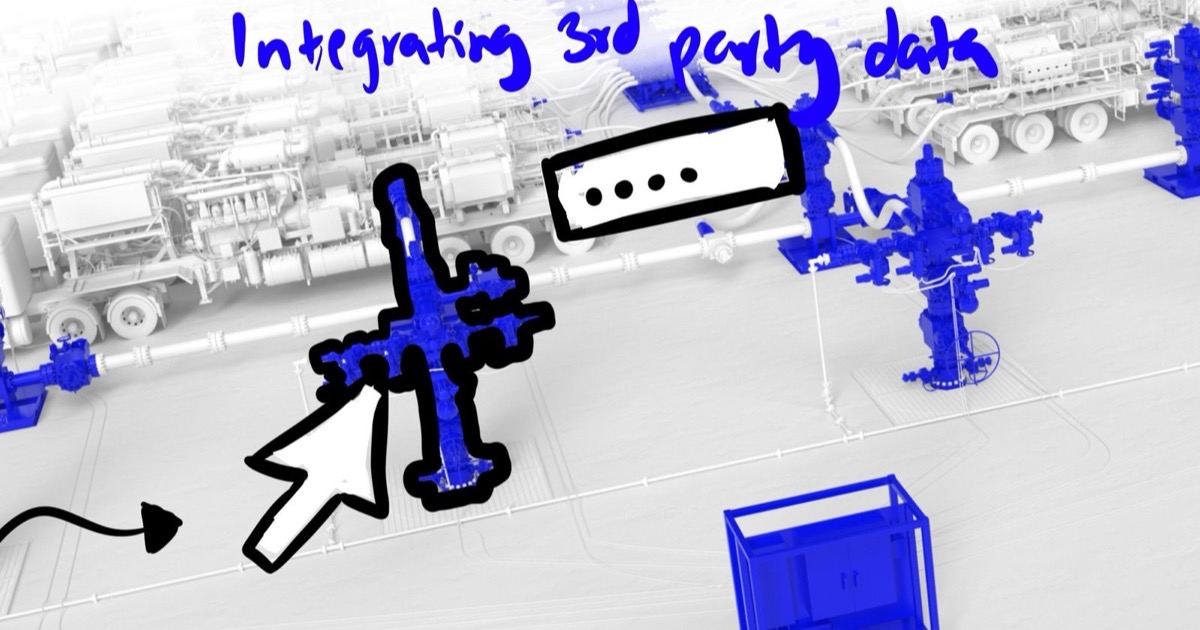
Our clients talk directly to the producers and artists who came up with that tagline, not a sales layer. Give your clients the same access to you, so they see where the ideas come from. You can watch the Deka animation in our Deka case study or on SLB’s Deka video page. It is the kind of 3D animation we make for trade show media, and the idea behind it is what the client paid for.
-
Build your own assets.
I do not like AI-generated 3D models. Build your models yourself, so you can tell a client every asset is your own work. Every project our studio makes is custom-built from scratch, with no stock libraries.
-
Know what you hand over.
Before you deliver, decide which source files the client gets and what license covers their reuse, and write both into the contract. Your contract can also say whether the client may run your files through AI tools. Source files are not a deliverable until the contract names them. Our breakdown of what you own explains this from the client’s side.
The morning panel gave advice to people starting out and to artists between jobs. If you are one of them, I coach motion designers one on one on portfolios, resumes, and interviews at learn.motiongiraffx.com.
Hiring a studio? Tell us about your project
My team at Motion Giraffx will scope your video and tell you in writing where AI does and does not enter it. Send us the brief you have, even a rough one, and we will set up a call.
About the Author