3D animation cost, line by line
- Author: Cara Lackey
-
September 29, 2026
-
1724 words
-
9 minutes
- 3D Animation
- Video Production
If you have ever taken a 3D animation quote to your CFO, you know the problem. The total is one number, and the CFO wants to know why it is that number and not half of it. A price range does not answer that question, because two 3D projects at the same price can share almost nothing underneath the total.
One might spend most of its hours building a product that has not been manufactured yet. The other might spend them on a fluid simulation that has to run until the fluid behaves the way the engineers say it should.
I have been quoting technical 3D animation since 2014, and this post is the breakdown I wish every buyer had before the first call. It covers what 3D animation costs and where the money goes inside the quote, phase by phase. It also covers which parts of the number you control, and how to tell a quote that will hold from one that will not. My explainer video cost breakdown covers pricing across every animation style. This one stays inside 3D.
How much does 3D animation cost?
Most professionally produced 3D animation lands between $15,000 and $45,000, with larger projects passing $60,000. That is the range I publish on my pricing page, and it is the honest answer to the search that brought you here. It is also the least useful number in this post, for the reason above. The rest of this post is about what sits inside that range, which is the part you can actually defend and the part you can actually change.
A 3D quote is a list of hours
Almost every line on a 3D quote is somebody’s time with a rate on it. Building the model is an artist’s hours. Making steel look like steel is an artist’s hours. A simulation is an artist’s hours multiplied by however many times it has to run. Rendering is machine time. Waiting for approval is time too, and it is the expensive kind, because nothing gets built while it passes.
Once you see a quote that way, two questions collapse into one. “Can you do it cheaper” and “can you do it faster” have the same answer. Take something out of the model, the shot list, or the review chain. A studio that can tell you which of those three is driving your number has scoped your project. A studio that cannot has guessed.
How long does 3D animation take?
3D animation typically takes four to eight weeks, against three to six for 2D and two to four for video production. Those are the timelines I publish next to my pricing, and the weeks do not shrink evenly when you push.
Modeling and review do not speed up with more people. Two artists on one part are usually slower than one, and two approvers are rarely faster than one. Rendering does speed up with more machines. So a rush often buys speed in the one phase that was never the problem. That is why my honest answer to a tight deadline is usually to cut shots, not add money.
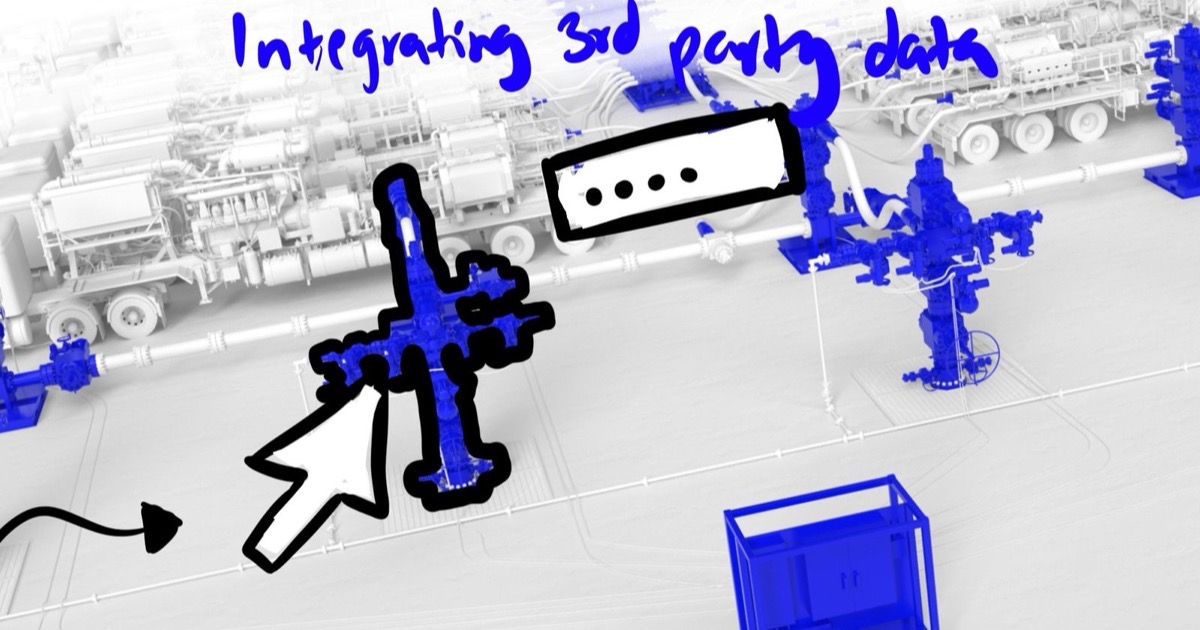
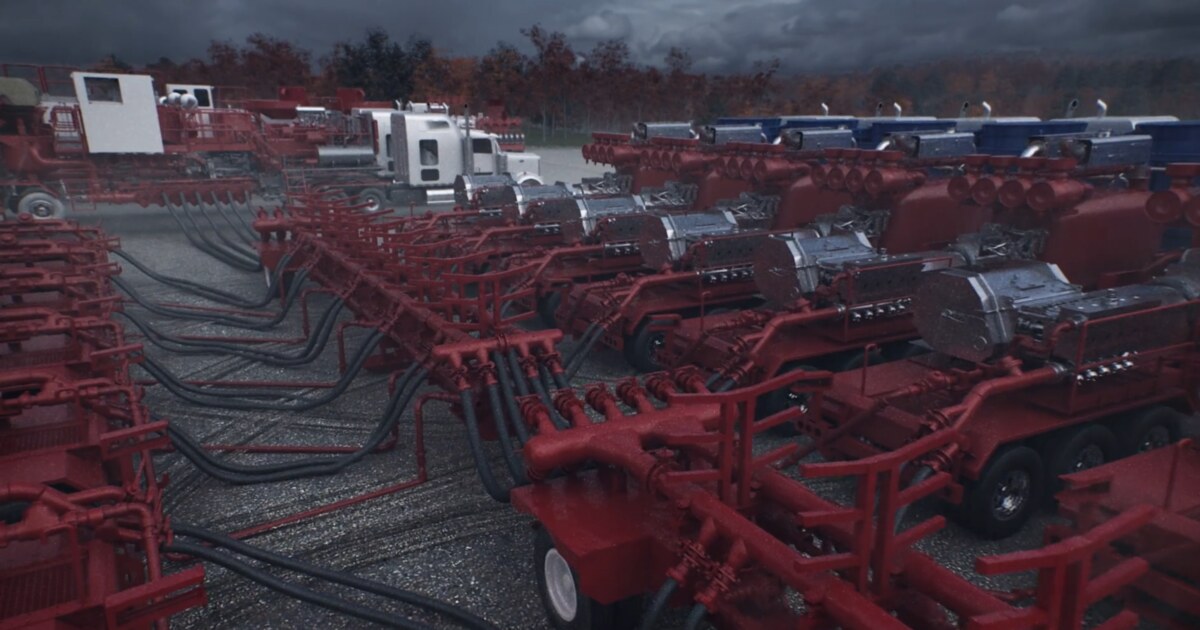
The fastest project my team has published is 18 days. SLB sent us clean 3D models of their Cameron frac fluid delivery system on January 15, and the finished animation played at a hydraulic fracturing conference on February 3. That happened because the geometry arrived usable and SLB trusted us with the script, the storyboard, and the creative direction. Both of those conditions are yours to create, and I come back to them below.
A 3D budget, phase by phase
Here is every phase in the order it happens. Ask any studio which phase is carrying the most hours on your job. The answer tells you more than the total ever will.
Pre-production
The script, the storyboard, and on complex jobs a rough block-out of camera moves and timing. What moves this number is how settled your message is when you arrive. A team still choosing between two audiences pays for that twice, once here and again in animation.
Modeling
Building every object on screen as a shape with real dimensions. What moves this number is whether usable geometry already exists. When my team animated the Natilus blended-wing cargo aircraft, there was no aircraft to photograph and no hardware to measure, so the model was the deliverable underneath the deliverable. On technical work, modeling is very often the biggest line on the quote.
Look development
Telling each surface how to respond to light, so brushed steel reads as brushed steel instead of gray plastic. The word that moves this number is photoreal. A 3D product rendering that has to sit next to a real photo takes far more of these hours than a stylized piece where the viewer is following a process.
Rigging
Building the controls that let an artist move something without rebuilding it every frame. A static product barely needs it. A tool that opens, rotates, and seals needs a lot of it. None of that setup is visible in the finished video, which is why buyers are often surprised to see it on the quote.
Animation
The phase most buyers assume is the whole cost. It is real work, but on technical 3D it is often not the largest line, because the motion is dictated by how the machine works rather than invented. The cheapest moment for an engineer to correct a motion is here, at the animatic, which is a rough moving version of the storyboard reviewed before anything is rendered.
Simulation
Fluid, particles, smoke, fracture, and anything else the computer solves rather than an artist draws. This is usually the least predictable line, because nobody knows in advance how many runs it will take to read correctly. My SLB frac fluid delivery animation needed fluid that behaved correctly and read clearly at the same time, and those are two different problems. The honest way to quote simulation is a set number of runs with a stated rate for anything past them.
Lighting and rendering
Lighting sets the scene, and rendering is the machine time that turns it into frames. In dollars, that machine time is a smaller share than most buyers expect. Drop & Render’s 2026 comparison of render farm pricing put a 500-frame job at roughly $209 on a single high-end GPU. What rendering really costs you is calendar. A re-render after a late correction takes the same days all over again, and no number of artists makes it finish sooner.
Edit, sound, and delivery
Assembling the shots, adding sound design and mix, and producing the versions you will actually post. A small share of the budget, and a common place for scope to reappear, because aspect ratios, captions, and translated cuts get remembered late.
I am not publishing a percentage split across those phases, because it would be false precision. What holds from project to project is the ranking, and on technical 3D the top of that ranking is almost always modeling.
The two things that move your number most
Both of them are on your side of the table, which is good news, because it means you can lower the number before you ask for it.
Your CAD
If your engineering team can hand over clean STEP, IGES, or native SolidWorks files, much of the modeling phase turns from building into cleanup. If they cannot, my team builds the object from drawings, photos, and conversations with the person who designed it, which is a different job with a different price.
Clean matters. CAD built for manufacturing is not CAD built for rendering. Translated files often arrive with gaps, inside-out surfaces, and part counts that would choke a render. That cleanup is not unique to animation. Tech-Clarity’s survey of manufacturers found that preparing geometry eats 38 percent of total simulation time. So send one representative assembly before anyone scopes the project. It tells me how much of modeling is cleanup and how much is building from scratch, and that answer moves a quote further than any negotiation.
Your approval chain
A revision round is not a number of comments. It is a number of calendar days, and those days get spent whether or not anyone is animating. Most scopes, mine included, budget two rounds. A survey of more than 1,000 marketers for the World Federation of Advertisers, the IPA, and BetterBriefs found agencies going through an average of five rounds before approval. The difference between two and five is where budgets quietly break.
On the energy and industrial projects I run out of my animation studio in Houston, the technical approver is usually an engineer or a regulatory lead. If nobody puts that person on the kickoff call, their first look at the work tends to come after it is rendered. A pacing note from them costs an afternoon. A correction to how a mechanism works can cost the model, the rig, the lighting, and every frame rendered on top of them.
I wrote up where that review belongs separately. The budget version is one sentence. Name one approver before kickoff and get them in front of the storyboard, and the two rounds you paid for stay two.
What does 3D animation cost per minute?
Per minute is the wrong unit. Two 60-second pieces can differ by shot count, by how many separate objects had to be built, and by whether a simulation is in it. The bottom of my 3D range is one product with clean CAD and no simulation. The top is a process piece with several assemblies, fluid, and a photoreal finish. Same minute, very different quote.
Before you ask for a number
A 3D quote is a schedule with a price on it, and you already control two of its longest stretches. Send a representative CAD assembly and name one approver before a studio sees your brief. Then read the quote phase by phase and ask which line is carrying the hours. My team has been building technical 3D animation since 2014, and every quote we write breaks down where the project sits before any work begins.
Get a 3D quote itemized phase by phase
Send me the CAD or the spec sheet and the name of the person who will approve the work. My team at Motion Giraffx comes back with a quote you can read line by line, with the review already in the schedule.
About the Author